Samsung continues to strengthen its OLED TV lineup in 2026 with the introduction of the Samsung S95H and Samsung S90H. Both models come with several major upgrades compared to previous generations, including Samsung’s new Glare Free matte coating, support for up to 4K @ 165Hz, the powerful NQ4 AI Gen3 Processor, and a full suite of advanced gaming technologies. They also share Samsung’s latest Tizen Smart TV platform with Vision AI features, making both TVs highly capable for movies, gaming, sports, and everyday entertainment.
Although the Samsung S90H already delivers premium OLED picture quality and flagship-level gaming features, the Samsung S95H sits above it as Samsung’s top-tier 4K OLED TV for 2026. The S95H offers improvements in HDR brightness, audio performance, design quality, and installation flexibility through Wireless One Connect readiness. Meanwhile, the S90H focuses more on delivering outstanding value by offering many of the same core features at a lower price point. Let’s take a closer look at how these two OLED TVs compare and determine the real reasons to choose the Samsung S95H over the Samsung S90H.
Samsung S95H Short Overview
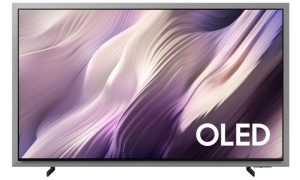
The Samsung S95H is Samsung’s flagship 4K OLED TV for 2026. It combines Samsung’s most advanced OLED technologies with a more luxurious industrial design and higher-end HDR performance. One of its standout features is Samsung’s new “Float Layer” design, which gives the TV a cleaner and more premium appearance with an integrated metal frame and ultra-slim profile.
The S95H is powered by Samsung’s latest NQ4 AI Gen3 Processor, which handles advanced AI upscaling, motion processing, HDR tone mapping, and scene optimization. Combined with Samsung’s higher-tier OLED HDR Pro technology, the S95H delivers brighter HDR highlights and more impactful overall luminance performance than the S90H. Bright scenes, specular highlights, and HDR effects look more intense and dynamic, especially in bright rooms.
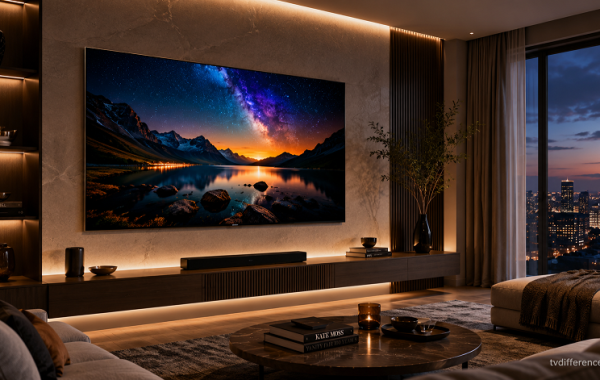
The S95H features Samsung’s new Glare Free matte coating, which significantly reduces reflections from windows and overhead lighting. This makes the TV much easier to use in brighter living spaces without excessive glare distractions.
The S95H also delivers a more immersive audio experience with its powerful 70W 4.2.2-channel speaker system with Object Tracking Sound+ (OTS+). Gamers are equally well-served thanks to support for 4K @ 165Hz, VRR, ALLM, FreeSync Premium Pro, G-SYNC compatibility, and Samsung Gaming Hub.
In terms of panel technology, the Samsung S95H primarily uses QD-OLED technology, although the 83-inch version is expected to use an RGB Tandem WOLED panel. Regardless of the panel supplier, Samsung positions the S95H lineup as its most premium OLED offering for 2026.
| Samsung S95H Prices | |
| 83-inch (QN83S95HAEXZA) | Check Today’s Price… |
| 77-inch (QN77S95HAFXZA) | Check Today’s Price… |
| 65-inch (QN65S95HAFXZA) | Check Today’s Price… |
| 55-inch (QN55S95HAFXZA) | Check Today’s Price… |
Samsung S90H Short Overview
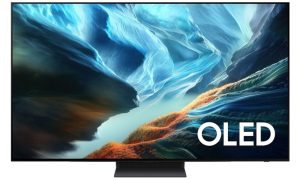
The Samsung S90H sits just below the S95H in Samsung’s 2026 OLED TV lineup, but it still delivers an impressive premium OLED experience. It uses the same NQ4 AI Gen3 Processor found in the flagship model, allowing it to provide excellent AI upscaling, advanced motion handling, and strong overall picture processing performance.
Samsung also equips the S90H with the same new Glare Free matte coating introduced in the flagship lineup. This coating helps reduce reflections significantly compared to traditional glossy OLED screens, making the S90H more suitable for brighter environments than many previous OLED TVs.
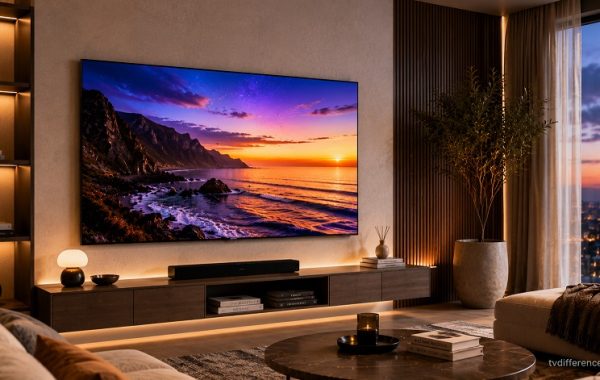
Gaming is another major strength of the S90H. Like the S95H, it supports 4K @ 165Hz, VRR, ALLM, FreeSync Premium Pro, G-SYNC compatibility, and Samsung’s Game Bar features. This means gaming performance is extremely close between the two models.
Where the S90H differs most is in brightness, audio quality, and flagship-level refinement. Instead of OLED HDR Pro, it uses OLED HDR+, which results in slightly lower HDR brightness and less aggressive highlight performance. The built-in audio system is also more modest with a 40W 2.1-channel OTS Lite setup.
The S90H also uses Samsung’s slimmer and simpler Laser Slim design rather than the premium Float Layer chassis found on the S95H. In North America, all sizes of the Samsung S90H use WOLED panels. However, Samsung may still use QD-OLED panels in certain regions depending on screen size. Because of these regional panel variations, picture performance characteristics can vary slightly outside North America.
| Samsung S90H Prices | |
| 83-inch (QN83S90HAEXZA) | Check Today’s Price (Amazon.com)… |
| 77-inch (QN77S90HAEXZA) | Check Today’s Price (Amazon.com)… |
| 65-inch (QN65S90HAEXZA) | Check Today’s Price (Amazon.com)… |
| 55-inch (QN55S90HAEXZA) | Check Today’s Price (Amazon.com)… |
| 48-inch (QN48S90HAEXZA) | Check Today’s Price (Amazon.com)… |
| 42-inch (QN42S90HAEXZA) | Check Today’s Price (Amazon.com)… |
Samsung S95H vs S90H Specs Comparison Table
Before we discuss the differences between the Samsung S95H and Samsung S90H in more detail, let’s take a quick look at their key specifications side by side.
| Feature | Samsung S95H | Samsung S90H | ||||||||||
| Position in Lineup | Flagship 4K OLED | Upper Premium OLED | ||||||||||
| Available Sizes | 55″, 65″, 77″, 83″ | 42″, 48″, 55″, 65″, 77″, 83″ | ||||||||||
| Resolution | 3840 x 2160 | 3840 x 2160 | ||||||||||
| Refresh Rate | 165Hz | 165Hz | ||||||||||
| Processor | NQ4 AI Gen3 Processor | NQ4 AI Gen3 Processor | ||||||||||
| HDR Technology | OLED HDR Pro | OLED HDR+ | ||||||||||
| Screen Finish | Glare Free Matte | Glare Free Matte | ||||||||||
| Panel Technology | Primarily QD-OLED, while 83-inch uses RGB Tandem WOLED | WOLED in North America (QD-OLED in some regions/sizes) | ||||||||||
| Motion Technology | Motion Xcelerator 165Hz | Motion Xcelerator 165Hz | ||||||||||
| AI Upscaling | 4K AI Upscaling Pro | 4K AI Upscaling Pro | ||||||||||
| Gaming Features | VRR, ALLM, FreeSync Premium Pro, G-SYNC | VRR, ALLM, FreeSync Premium Pro, G-SYNC | ||||||||||
| HDMI Inputs | 4 x HDMI 2.1 | 4 x HDMI 2.1 | ||||||||||
| HDMI Maximum Input Rate | 4K @ 165Hz on all HDMI ports | 4K @ 165Hz on all HDMI ports | ||||||||||
| Audio System | 70W 4.2.2CH with OTS+ | 40W 2.1CH with OTS Lite | ||||||||||
| Wi-Fi | Wi-Fi 6E | Wi-Fi 6E | ||||||||||
| Bluetooth | Bluetooth 5.3 | Bluetooth 5.3 | ||||||||||
| Smart Platform | Tizen Smart TV | Tizen Smart TV | ||||||||||
| Voice Assistant | Alexa Built-in | Alexa Built-in | ||||||||||
| Design | Float Layer | Laser Slim | ||||||||||
| Wireless One Connect Ready | Yes | No | ||||||||||
| Price | Higher | Lower | ||||||||||
|
|
The Differences Between Samsung S95H and S90H
Although the Samsung S95H and Samsung S90H share many core technologies, several important differences separate Samsung’s flagship OLED TV from its more value-oriented premium OLED model.
1. OLED HDR Pro vs OLED HDR+
One of the biggest differences between these two TVs is their HDR performance. The Samsung S95H comes with Samsung’s higher-tier OLED HDR Pro, while the S90H uses OLED HDR+.
In real-world viewing, the S95H is capable of producing brighter HDR highlights and stronger overall luminance performance. Bright effects such as explosions, sunlight reflections, fireworks, and specular highlights appear more impactful and intense on the S95H. This additional brightness also helps HDR content maintain better visibility in bright rooms.
The S90H still delivers excellent OLED contrast and strong HDR quality, but it cannot quite match the flagship-level brightness performance of the S95H.
2. Premium Float Layer Design vs Laser Slim Design
Samsung gives the S95H a noticeably more premium appearance through its new Float Layer design. The TV uses a cleaner integrated metal chassis with a thinner and more luxurious overall profile that looks especially elegant when wall-mounted.
Meanwhile, the S90H uses Samsung’s more traditional Laser Slim design. It still looks modern and stylish, but it lacks the ultra-premium industrial design and flagship feel of the S95H.
For buyers who prioritize aesthetics and premium build quality, the S95H clearly feels more luxurious.
3. Better Audio Performance
Audio quality is another area where the S95H holds a clear advantage.
The Samsung S95H features a much more powerful 70W 4.2.2-channel speaker system with Object Tracking Sound+ (OTS+), while the S90H uses a more basic 40W 2.1-channel OTS Lite configuration.
The extra speakers on the S95H create a wider and more immersive soundstage with stronger directional audio effects. Movies, sports, and games sound more cinematic and spacious, especially in larger rooms.
The S90H still sounds good for everyday use, but it does not provide the same level of depth and immersion as the flagship model.
4. Panel Technology
The Samsung S95H is positioned as Samsung’s more premium OLED lineup and primarily uses Samsung’s higher-end OLED panel technologies, although the 83-inch model uses an RGB Tandem WOLED panel.
Meanwhile, the Samsung S90H uses WOLED panels across all sizes in North America, while Samsung may still use QD-OLED panels in certain international regions depending on screen size. Because of these regional differences, picture characteristics may vary slightly depending on market and panel supplier.
In general, the S95H lineup is positioned for buyers seeking Samsung’s highest-end OLED performance and brightest HDR presentation.
5. Wireless One Connect Ready
Another premium feature exclusive to the S95H is Wireless One Connect readiness.
This allows for cleaner cable management and more elegant installations, especially for wall-mounted setups where minimizing visible cables is important. The S90H uses a more traditional rear-port configuration instead.
6. Price Difference
The Samsung S95H is expected to cost noticeably more than the Samsung S90H.
That price premium mainly goes toward:
- Higher HDR brightness
- More premium design
- Better built-in audio
- More premium panel positioning
- Wireless One Connect readiness
Meanwhile, the S90H focuses more on value by delivering many of the same core features and gaming capabilities for less money.
What is The Reason to Choose Samsung S95H?
The main reason to choose the Samsung S95H is if you want Samsung’s most premium 4K OLED experience for 2026. Its brighter OLED HDR Pro performance, more luxurious Float Layer design, stronger 70W 4.2.2CH audio system, and Wireless One Connect readiness help justify its flagship positioning. The S95H is also positioned as Samsung’s more premium OLED lineup, offering brighter HDR presentation and a more refined overall viewing experience than the S90H. If you want Samsung’s best OLED TV for bright-room viewing, premium home theater setups, and elegant wall-mounted installations, then the S95H is clearly the better choice.
| Samsung S95H Prices | |
| 83-inch (QN83S95HAEXZA) | Check Today’s Price… |
| 77-inch (QN77S95HAFXZA) | Check Today’s Price… |
| 65-inch (QN65S95HAFXZA) | Check Today’s Price… |
| 55-inch (QN55S95HAFXZA) | Check Today’s Price… |
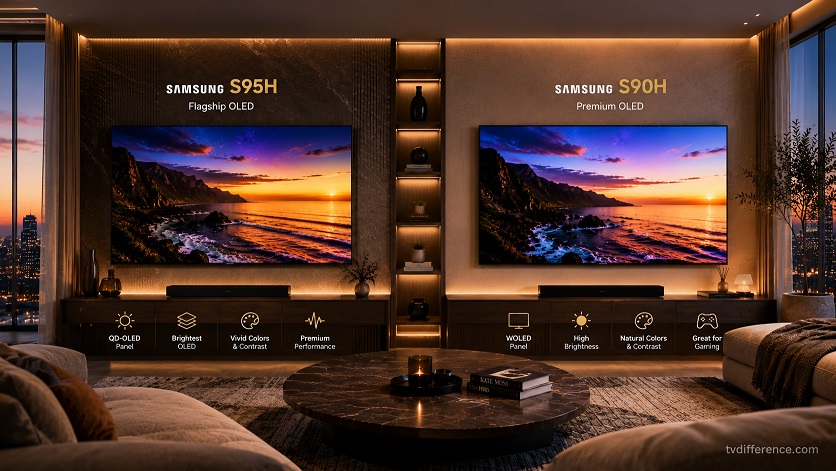
However, the Samsung S90H remains the smarter value option for many buyers. It still delivers excellent OLED picture quality, outstanding gaming performance with support for 4K @ 165Hz, and the same powerful NQ4 AI Gen3 Processor found in the flagship S95H. Combined with Samsung’s latest smart TV platform and premium gaming features, the S90H offers a high-end OLED experience at a more affordable price point. Unless you specifically want the S95H’s brighter HDR performance, upgraded audio system, and more premium overall design, the S90H remains one of the best premium OLED TVs you can buy in 2026.
| Samsung S90H Prices | |
| 83-inch (QN83S90HAEXZA) | Check Today’s Price (Amazon.com)… |
| 77-inch (QN77S90HAEXZA) | Check Today’s Price (Amazon.com)… |
| 65-inch (QN65S90HAEXZA) | Check Today’s Price (Amazon.com)… |
| 55-inch (QN55S90HAEXZA) | Check Today’s Price (Amazon.com)… |
| 48-inch (QN48S90HAEXZA) | Check Today’s Price (Amazon.com)… |
| 42-inch (QN42S90HAEXZA) | Check Today’s Price (Amazon.com)… |