Samsung’s 2026 TV lineup introduces two compelling options for buyers looking for premium 4K picture quality: the Samsung R85H and the Samsung QN80H. Although both TVs use advanced display technologies and offer modern gaming and smart TV features, they occupy different positions within Samsung’s product hierarchy. The Samsung R85H belongs to Samsung’s new Micro RGB lineup, sitting below the more premium Samsung R95H. Meanwhile, the Samsung QN80H is part of Samsung’s Neo QLED lineup, positioned above the more affordable Samsung QN70H.
The biggest difference between these two TVs is their display technology. The Samsung R85H uses Micro RGB technology, which employs individually controlled red, green, and blue backlighting to improve color reproduction and deliver an exceptionally wide color gamut. The Samsung QN80H, on the other hand, combines Quantum Mini LED backlighting with Quantum Dot technology to deliver strong contrast, high brightness, and vibrant colors. In this article, we’ll compare the Samsung R85H and QN80H in detail to help you determine which TV is the better choice for your viewing needs, gaming preferences, and budget.
Samsung R85H Short Overview
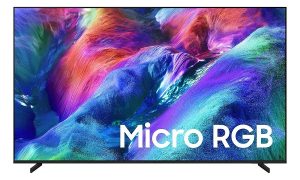
The Samsung R85H is one of Samsung’s new Micro RGB TVs for 2026. Positioned below the flagship R95H, it brings Samsung’s latest RGB-based display technology to a broader range of buyers. It is designed for users who want a premium viewing experience with exceptionally rich colors, advanced picture processing, and modern gaming capabilities.
Its biggest advantage is Micro RGB technology. Unlike conventional LED and Mini LED TVs that use a largely white or blue-based backlight combined with color filters, the R85H uses microscopic red, green, and blue LEDs to produce its backlight. By controlling these individual color components, the TV can deliver a wider color gamut and more precise color reproduction. Samsung advertises Micro RGB Precision Color 100 as delivering 100% coverage of the BT.2020 color space. Actual color performance should be confirmed through independent measurements.
The R85H is powered by Samsung’s Micro RGB AI Engine, which optimizes color reproduction and picture quality. It supports Micro RGB HDR+, HDR10+, and AI-powered picture enhancements, including automatic HDR remastering and 4K AI upscaling. These features help improve the appearance of compatible HDR content and lower-resolution sources. The TV also includes Samsung Vision AI features and the Tizen smart TV platform, providing access to popular streaming services and connected-device functionality.
For gaming, the Samsung R85H offers a native high-refresh-rate display with support for up to 4K at 144Hz and Dual Line Gate (DLG) up to 240Hz at a reduced resolution. It also supports VRR, AMD FreeSync Premium Pro, ALLM, and Samsung Gaming Hub. With four HDMI ports capable of handling 4K at 144Hz, it is well equipped for modern gaming consoles and compatible gaming PCs.
The R85H also includes Dolby Atmos, Object Tracking Sound Lite, and Q-Symphony for an enhanced audio experience. Its combination of Micro RGB picture technology, premium gaming features, and Samsung’s latest smart TV platform makes it an appealing option for buyers who want a more advanced alternative to conventional Mini LED televisions.
| Samsung R85H Prices | |
| 100-Inch (MRN100R85HFXZA) | Check Today’s Price… |
| 85-Inch (MRN85R85HAFXZA) | Check Today’s Price… |
| 75-Inch (MRN75R85HAFXZA) | Check Today’s Price… |
| 65-Inch (MRN65R85HAFXZA) | Check Today’s Price… |
| 55-Inch (MRN55R85HAFXZA) | Check Today’s Price… |
Samsung QN80H Short Overview
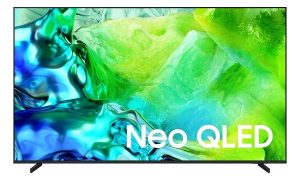
The Samsung QN80H is Samsung’s mid-range Neo QLED TV for 2026. It sits above the QN70H and below Samsung’s Micro RGB models, including the R85H. Although it doesn’t use the newer Micro RGB backlighting system, it combines Quantum Mini LED technology with Quantum Dot color reproduction to deliver a premium 4K viewing experience.
The QN80H’s main advantage is its Quantum Mini LED backlighting, which allows for more precise control over brightness and contrast than conventional LED backlighting. Combined with Quantum Dot technology, it can produce bright highlights, vibrant colors, and detailed HDR images. Samsung also equips it with Quantum Matrix Technology Core and Supreme Mini LED Dimming to improve local contrast and help preserve shadow detail in darker scenes.
Powering the TV is Samsung’s NQ4 AI Gen2 Processor, which handles 4K upscaling, picture optimization, and AI-powered enhancements. The QN80H supports NQ HDR+, HDR10+, and AI HDR remastering, helping compatible content appear more detailed and dynamic. It also includes Wide Viewing Angle technology, Color Booster Pro, and Real Depth Enhancer to improve the overall viewing experience.
For gaming, the QN80H supports up to 4K at 144Hz, with DLG allowing refresh rates of up to 240Hz at 1080p. It also includes VRR, ALLM, and HDMI 2.1 bandwidth across all four HDMI ports. These features make it a strong choice for console and PC gamers who want smooth gameplay without moving to a more expensive Micro RGB television.
The QN80H runs Samsung’s Tizen smart TV platform and includes modern connectivity and smart features. Its built-in speakers deliver 30W of audio output, while Dolby Atmos and Q-Symphony support provide additional audio options. Overall, the QN80H offers a strong balance of Mini LED picture quality, gaming performance, and smart functionality for buyers who want a premium Samsung TV without paying for the newer Micro RGB technology.
| Samsung QN80H Prices | |
| 100-Inch (QN100QN80HFXZA) | Check Today’s Price (Amazon.com)… |
| 85-Inch (QN85QN80HAFXZA) | Check Today’s Price (Amazon.com)… |
| 75-Inch (QN75QN80HAFXZA) | Check Today’s Price (Amazon.com)… |
| 65-Inch (QN65QN80HAFXZA) | Check Today’s Price (Amazon.com)… |
| 55-Inch (QN55QN80HAFXZA) | Check Today’s Price (Amazon.com)… |
Samsung R85H vs QN80H Specs Comparison
To better understand how these two TVs compare, here’s a side-by-side specification comparison.
| Feature | Samsung R85H | Samsung QN80H | ||||||||||
| Product Type | Micro RGB | Neo QLED | ||||||||||
| Model Year | 2026 | 2026 | ||||||||||
| Screen Sizes | 55″, 65″, 75″, 85″, 100″ | 55″, 65″, 75″, 85″, 100″ | ||||||||||
| Resolution | 4K UHD (3840 × 2160) | 4K UHD (3840 × 2160) | ||||||||||
| Display Technology | Micro RGB | Quantum Mini LED with Quantum Dots | ||||||||||
| Backlight | Individually controlled RGB LEDs | Quantum Mini LED | ||||||||||
| Color Technology | Micro RGB Precision Color 100 | Quantum Dot, Color Booster Pro | ||||||||||
| Picture Processor | Micro RGB AI Engine | NQ4 AI Gen2 Processor | ||||||||||
| HDR Technology | Micro RGB HDR+ | NQ HDR+ | ||||||||||
| HDR Support | HDR10+, HLG | HDR10+, HLG | ||||||||||
| AI HDR Remastering | Yes | Yes | ||||||||||
| 4K Upscaling | 4K AI Upscaling | 4K AI Upscaling | ||||||||||
| Native Refresh Rate | 144Hz | 144Hz | ||||||||||
| Maximum DLG Refresh Rate | 240Hz | 240Hz | ||||||||||
| Variable Refresh Rate | Yes | Yes | ||||||||||
| Gaming Technology | VRR, FreeSync Premium Pro, ALLM, Gaming Hub | VRR, FreeSync Premium Pro, ALLM, Gaming Hub | ||||||||||
| HDMI 2.1 | Yes, four ports | Yes, four ports | ||||||||||
| Maximum HDMI Refresh Rate | 4K at 144Hz | 4K at 144Hz | ||||||||||
| USB Ports | 2 | 2 | ||||||||||
| Smart Platform | Tizen | Tizen | ||||||||||
| Dolby Atmos | Yes | Yes | ||||||||||
| Q-Symphony | Yes | Yes | ||||||||||
| Speaker Output | 30W | 30W | ||||||||||
| Gaming Hub | Yes | Yes | ||||||||||
| Price Position | Higher | Lower | ||||||||||
|
|
The Differences Between Samsung R85H and QN80H
Although both TVs offer premium 4K resolution, high refresh rates, and modern smart features, several important differences separate them.
1. Micro RGB vs Quantum Mini LED
The biggest difference between these two TVs is their backlighting technology.
The Samsung R85H uses Micro RGB technology, which relies on microscopic red, green, and blue LEDs to produce its backlight. By controlling these individual color components, the TV is designed to deliver a wider color gamut and more precise color reproduction. Samsung advertises Micro RGB Precision Color 100 as delivering 100% coverage of the BT.2020 color space, although independent measurements are needed to confirm the R85H’s actual color performance.
The Samsung QN80H uses Quantum Mini LED backlighting combined with Quantum Dot technology. Its Mini LEDs provide precise brightness control, while the Quantum Dot layer enhances color reproduction. This combination delivers a compelling balance of brightness, contrast, and vibrant colors.
Winner: Samsung R85H
2. Color Performance
Color reproduction is another major difference between the two TVs.
The Samsung R85H is designed to deliver exceptionally wide color coverage through Micro RGB Precision Color 100. Its RGB backlighting can control the red, green, and blue components more directly, allowing it to reproduce highly saturated colors and subtle color variations across a wide gamut. This can be particularly beneficial when watching HDR movies, nature documentaries, and other content containing vivid colors.
The Samsung QN80H also delivers rich colors through its Quantum Dot layer and Color Booster Pro technology. Its color performance should be more than sufficient for movies, TV shows, sports broadcasts, and games. However, its Quantum Dot and Mini LED approach does not offer the same underlying color-generation capabilities as the R85H’s Micro RGB system.
Winner: Samsung R85H
3. Contrast and Local Dimming
Both TVs are designed to deliver strong contrast, but their backlighting systems work differently.
The Samsung QN80H uses Quantum Mini LED technology with local dimming to control brightness across different areas of the screen. By dimming darker areas while keeping bright highlights illuminated, it can improve black levels and create a more dynamic picture. The effectiveness of this system depends on the number and arrangement of dimming zones and the TV’s processing algorithms.
The Samsung R85H uses Micro RGB backlighting, which controls the red, green, and blue components of its light source. This approach can improve color precision and provide sophisticated control over the light produced in different parts of the image. However, Micro RGB does not automatically guarantee deeper blacks or eliminate blooming in every scene.
Winner: Samsung QN80H, advantage in local-dimming technology
4. HDR Picture Quality
HDR performance depends on several factors, including peak brightness, contrast, color volume, and tone mapping.
The Samsung R85H supports Micro RGB HDR+ and HDR10+, combining its wide color capabilities with Samsung’s HDR processing. Its Micro RGB backlight is designed to reproduce a broad range of colors while maintaining precise control over the red, green, and blue light components. This could make colorful HDR scenes particularly impressive.
The Samsung QN80H supports NQ HDR+ and HDR10+, with Quantum Mini LED backlighting designed to produce bright highlights and detailed contrast. Its NQ4 AI Gen2 Processor also provides AI HDR remastering to improve the appearance of compatible content.
The R85H has an advantage in its potential color gamut, while the QN80H offers a combination of local dimming and HDR processing. The overall HDR winner depends on measured peak brightness, tone mapping, black levels, and color volume.
Winner: Samsung R85H – Better color-gamut potential
5. Picture Processing
Samsung equips the R85H with its Micro RGB AI Engine, while the QN80H uses the NQ4 AI Gen2 Processor.
The Micro RGB AI Engine is designed to work with the R85H’s RGB backlighting system, helping optimize color reproduction and picture quality. This specialized processing is important because Micro RGB requires precise control of the individual color components that contribute to the backlight.
The QN80H’s NQ4 AI Gen2 Processor focuses on picture enhancement, 4K upscaling, HDR processing, and AI-powered optimization. It helps improve the appearance of lower-resolution sources and enhances compatible content for the television’s 4K display.
The two processors are designed for different display systems, so their names alone do not establish which provides better upscaling or noise reduction. Nevertheless, the R85H’s specialized processing is particularly relevant to buyers who want to take advantage of Micro RGB’s color capabilities.
Winner: Samsung R85H, for its specialized Micro RGB processing and focus on advanced color reproduction.
6. Price and Value
Price is one of the most important factors when deciding between the Samsung R85H and QN80H.
The Samsung R85H belongs to Samsung’s premium Micro RGB lineup. Its newer display technology and advanced color capabilities place it above the conventional Neo QLED range, so buyers should generally expect to pay a premium for it.
The Samsung QN80H is positioned as a mid-range Neo QLED model. It offers Quantum Mini LED backlighting, Quantum Dot colors, high-refresh-rate gaming, and AI-powered picture processing without requiring buyers to move into Samsung’s Micro RGB range.
For viewers who primarily watch streaming services, regular TV broadcasts, sports, and games, the QN80H could provide a more sensible balance of performance and cost. The R85H becomes more compelling for buyers who specifically want Micro RGB technology and are willing to pay extra for its potential color advantages.
Winner: Samsung QN80H
Which One Should You Choose?
If you’re looking for the more advanced display technology, the Samsung R85H is the model we recommend. Its Micro RGB backlighting and Micro RGB Precision Color 100 technology are designed to deliver an exceptionally wide color gamut, making it particularly appealing for colorful HDR movies, nature documentaries, and other content that benefits from richer color reproduction. It also supports 4K gaming at up to 144Hz, VRR, and AMD FreeSync Premium Pro. Positioned below the flagship R95H, the R85H is a compelling choice for buyers who want to experience Samsung’s Micro RGB technology without moving to its highest-tier model.
| Samsung R85H Prices | |
| 100-Inch (MRN100R85HFXZA) | Check Today’s Price… |
| 85-Inch (MRN85R85HAFXZA) | Check Today’s Price… |
| 75-Inch (MRN75R85HAFXZA) | Check Today’s Price… |
| 65-Inch (MRN65R85HAFXZA) | Check Today’s Price… |
| 55-Inch (MRN55R85HAFXZA) | Check Today’s Price… |
On the other hand, the Samsung QN80H is the better choice for buyers who prioritize value. Its Quantum Mini LED backlighting, Quantum Dot color reproduction, NQ4 AI Gen2 Processor, and high-refresh-rate gaming support provide a well-rounded package for movies, sports, streaming, and gaming. Positioned above the QN70H, it offers a more advanced Neo QLED experience without the expected premium associated with Micro RGB technology. If you want a capable Mini LED TV with strong picture-quality potential and modern gaming features while keeping your budget under control, the Samsung QN80H is the more practical option.
| Samsung QN80H Prices | |
| 100-Inch (QN100QN80HFXZA) | Check Today’s Price (Amazon.com)… |
| 85-Inch (QN85QN80HAFXZA) | Check Today’s Price (Amazon.com)… |
| 75-Inch (QN75QN80HAFXZA) | Check Today’s Price (Amazon.com)… |
| 65-Inch (QN65QN80HAFXZA) | Check Today’s Price (Amazon.com)… |
| 55-Inch (QN55QN80HAFXZA) | Check Today’s Price (Amazon.com)… |